Rental Costs and How to Plan a Realistic Housing Budget in Frankfurt
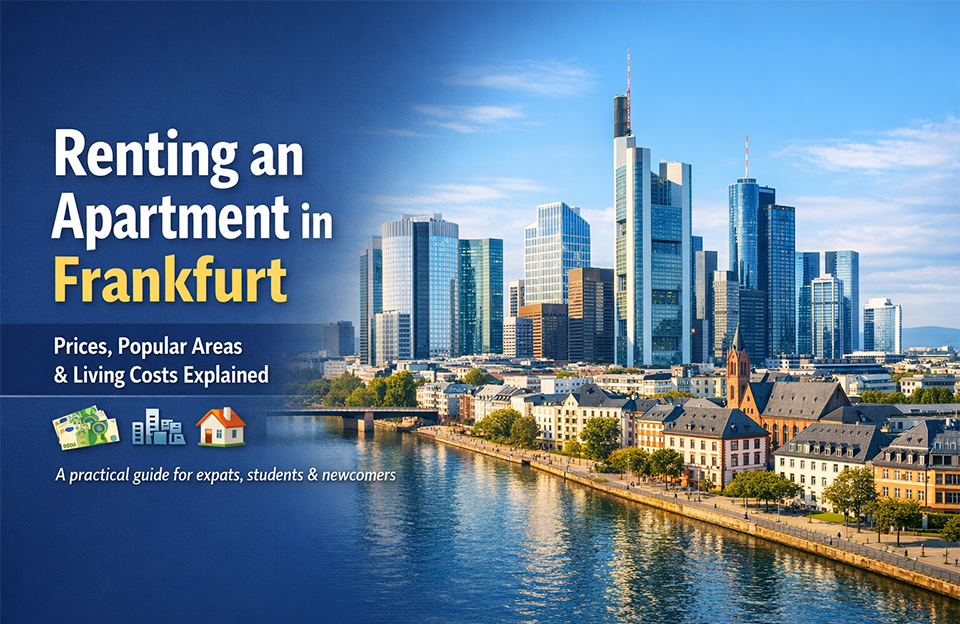
Frankfurt is one of the most expensive cities in Germany when it comes to renting, and housing costs often surprise foreigners who move here for work or study. Even with relatively high salaries, rent can take up a large share of monthly income if it is not planned carefully. Understanding real costs before signing a contract is one of the most important steps for a smooth relocation.
A one bedroom apartment in Frankfurt typically costs between 830 and 1460 euros per month. In central or highly desirable areas, prices often exceed 2000 euros, especially for modern buildings or locations close to business districts. Rent is usually calculated per square meter, commonly ranging from 14.5 to 18.5 euros, with premium areas charging even more. These figures make Frankfurt one of the most expensive rental markets in the country.
One of the most common mistakes foreigners make is budgeting based on Kaltmiete instead of Warmmiete. Kaltmiete is only the base rent, while Warmmiete includes heating, water, waste disposal, and building related costs. Warmmiete reflects the real monthly housing expense and should always be used for budgeting. Electricity, internet, and the mandatory broadcasting fee are often not included and must be paid separately.
A practical budgeting rule is to keep total housing costs below 30 to 35 percent of your net income. If rent alone already reaches this limit, daily expenses such as food, transport, and insurance can quickly become stressful. Security deposits are another major cost. Most landlords require two or three months of Kaltmiete upfront, which can be a large amount for newcomers. This money must be available before moving in and should be prepared in advance.
To reduce costs, avoid furnished apartments unless they are necessary for a short stay. Furnished units often cost 20 to 40 percent more than unfurnished ones and usually come with short term contracts. Long term, unfurnished apartments are more stable and significantly cheaper over time. Expanding your search beyond central districts also helps control expenses and increases available options.
Choosing the Right Area and Housing Type as a Foreigner
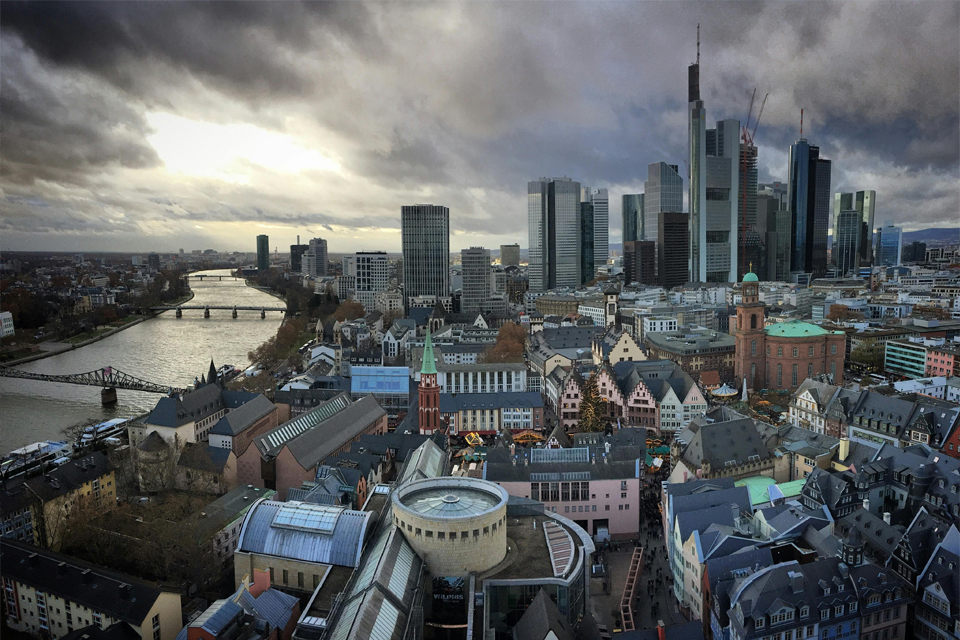
Location plays a crucial role in both price and competition. Central neighborhoods such as Innenstadt, Westend, and Nordend are popular because they are close to offices, restaurants, and cultural attractions. Public transport connections are excellent, but competition is intense. Apartments in these areas are often rented within days, and landlords receive many applications for each listing.
For many foreigners, living outside the city center is a smarter and more realistic option. Districts like Höchst, Fechenheim, Niederrad, or parts of Gallus offer lower rents while still maintaining good connections through S Bahn and U Bahn lines. Commute times are usually reasonable, and monthly savings can be significant. When choosing an area, public transport access is often more important than distance. A longer commute with a direct connection is usually better than a shorter distance with multiple transfers.
Shared apartments, known as Wohngemeinschaften or WG, are widely used by students, interns, and young professionals. Renting a private room while sharing common spaces typically costs between 520 and 930 euros per month. WGs reduce expenses and help newcomers adapt socially, which is especially useful during the first months in Germany. They are also easier to secure than entire apartments.
International students should consider student dormitories, which are the most affordable housing option. Monthly rent usually ranges from 290 to 395 euros. However, demand is high and waiting lists are common. Applying early and having a temporary backup plan is essential. Many students combine short term housing with dormitory applications until a place becomes available.
A practical strategy for newcomers is to start with shared or temporary housing and search for a long term apartment after arrival. This reduces pressure, allows time to understand neighborhoods, and improves success once local documents and rental history are available.
Rental Process Tips, Competition, and How to Increase Your Chances
Frankfurt’s rental market is highly competitive, and success depends largely on preparation and speed. Landlords often receive dozens of applications for one apartment and usually choose tenants who appear reliable and organized. Preparing all documents in advance is essential. Typical requirements include a passport or residence permit, proof of income or an employment contract, and a SCHUFA credit report if available.
If you do not yet have a SCHUFA record, focus on showing stability. A permanent employment contract, clear income level, or even a guarantor can help build trust. Writing a short and polite introduction message when applying is also important. Keep it professional and factual. Avoid long personal explanations and focus on your employment status and reliability.
Speed matters. Check listings several times a day and respond quickly to new offers. Be flexible with viewing times, even during working hours. Missing a viewing often means losing the apartment. Arriving on time and bringing printed documents to the viewing can also leave a positive impression.
Foreigners should be especially cautious about scams. Avoid listings that request payment before a viewing, refuse in person or video visits, or offer prices far below market level. Use well known real estate platforms, university housing services, and trusted expat communities. Never send documents or money without proper verification.
Finding an apartment in Frankfurt often takes weeks or even months. Rejections are common and should not be taken personally. Many successful renters apply to multiple listings consistently before securing a contract. Staying flexible with move in dates, apartment size, and location significantly improves the chances of success.
Despite high prices and strong competition, Frankfurt remains an attractive city with excellent career opportunities and an international environment. Foreigners who approach the rental market with realistic expectations, careful budgeting, and a clear strategy are far more likely to succeed. With the right preparation, renting in Frankfurt becomes a manageable step toward building a stable and long term life in Germany.