Germany is famous worldwide for its rich cultural heritage, and one of the best ways to experience it is through its festivals. From centuries-old traditions to modern street celebrations, festivals in Germany reflect the country’s history, regional diversity, and love for community gatherings.
Spring is an especially exciting time, as winter fades away and cities across the country come alive with color, music, food, and outdoor events. If you’re planning a trip or simply curious about German culture, this guide will walk you through the most popular festivals in Germany in spring, what makes them unique, and why they are worth experiencing.
Why Spring Is the Best Season for Festivals in Germany
Spring marks a fresh start in Germany. As temperatures rise and days grow longer, people eagerly return to public squares, parks, and historic town centers. Unlike the colder winter months, spring festivals often take place outdoors and feature lively parades, traditional costumes, folk music, and regional food.
Another reason spring is ideal is balance. Tourist crowds are lighter than in summer, prices are often more reasonable, and the weather is comfortable for sightseeing. Many of Germany’s most authentic cultural festivals happen between March and May, making spring a perfect season for travelers who want both celebration and exploration.
Carnival Celebrations: The Last Big Party Before Spring
Although Carnival officially takes place at the end of winter, it often overlaps with early spring and remains one of the most energetic festivals in Germany.
Known locally as Karneval, Fasching, or Fastnacht depending on the region, Carnival is especially popular in Cologne, Düsseldorf, and Mainz. Streets fill with costumed crowds, colorful floats, marching bands, and nonstop music.
Visitors can expect:
- Large street parades with satirical themes
- Traditional costumes and masks
- Local beer and street food
- A festive, carefree atmosphere
Carnival is deeply rooted in German culture and offers an unforgettable introduction to the country’s love for celebration.
Easter Traditions and Festivals in Germany
Easter is one of the most important holidays in Germany, and spring festivals around this time combine religious traditions with local customs.
Easter Markets
Many towns host Easter markets featuring handcrafted decorations, painted eggs, wooden toys, and seasonal foods. These markets are especially common in Bavaria and southern Germany.
Easter Fires
In northern Germany, large Easter bonfires are lit to symbolize the end of winter and the arrival of spring. These community gatherings often include music, food stalls, and family-friendly activities.
Easter Processions
In Catholic regions, religious processions and ceremonies are an important part of Easter celebrations, offering visitors insight into Germany’s spiritual traditions.
These Easter events add a quieter, cultural dimension to the wide range of festivals in Germany.
Spring Folk Festivals and Regional Celebrations
Germany is a country of regions, and spring is full of local festivals that celebrate history, agriculture, and folklore.
Frühlingsfest (Spring Festival)
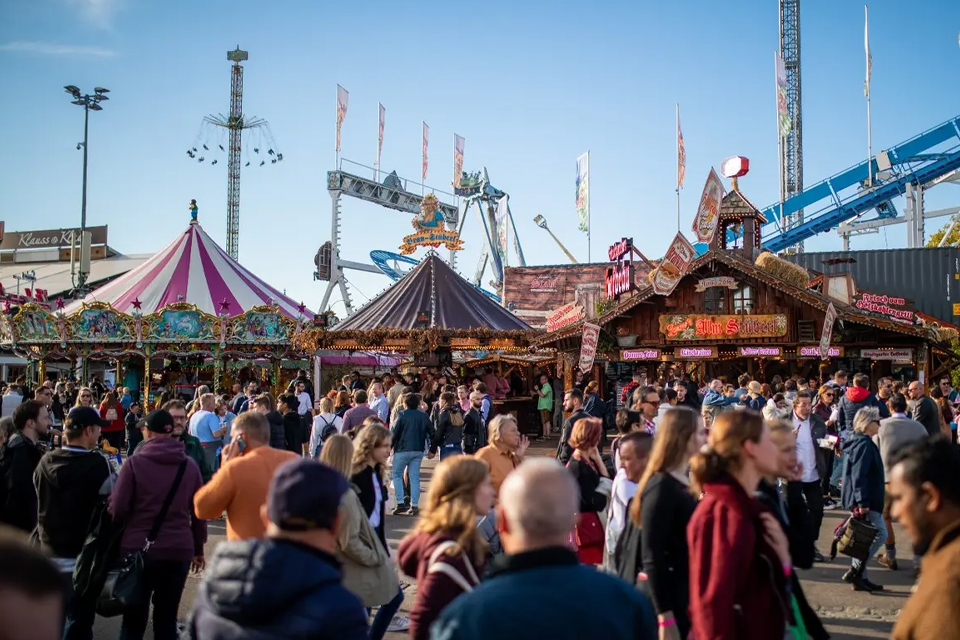
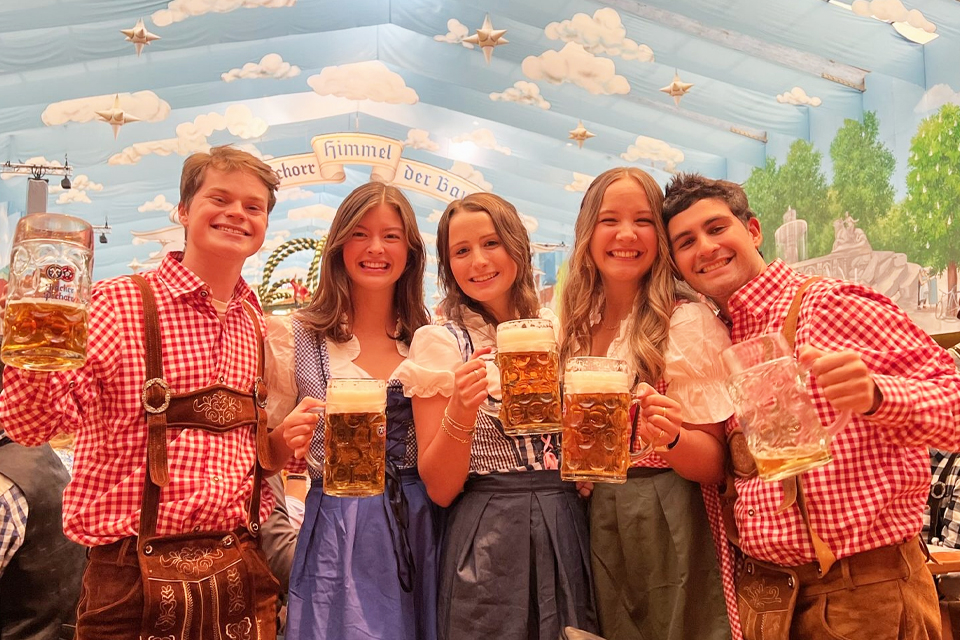
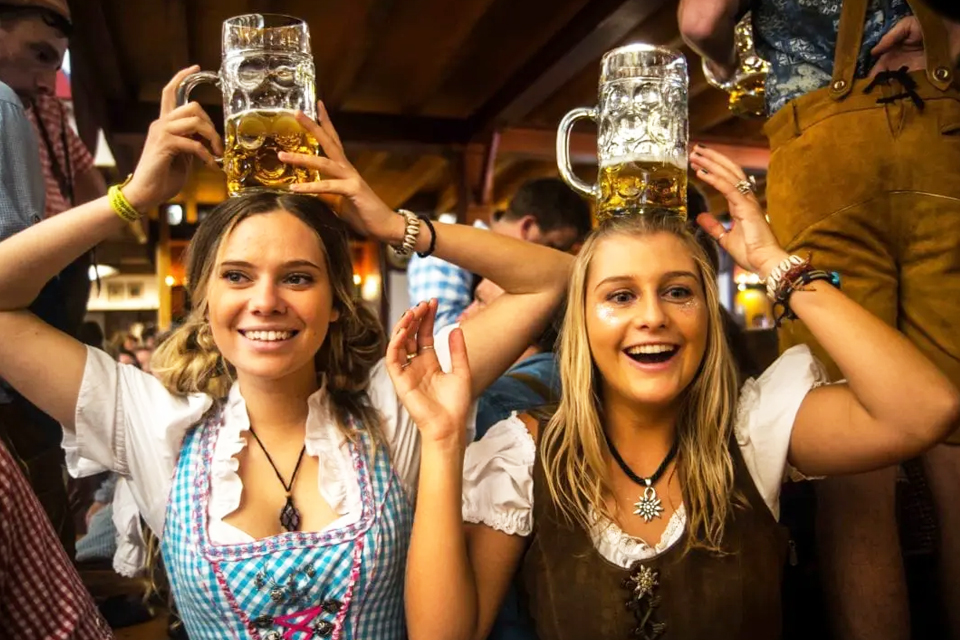
Often described as the “little sister” of Oktoberfest, Frühlingsfest takes place in cities like Munich and Stuttgart. While smaller in scale, it offers traditional beer tents, amusement rides, and live music without the massive crowds of autumn.
Wine Festivals
Spring marks the start of wine festival season, particularly in regions like the Rhine Valley, Mosel, and Baden-Württemberg. Visitors can enjoy wine tastings, vineyard tours, and open-air celebrations surrounded by blooming landscapes.
Traditional Costume Festivals
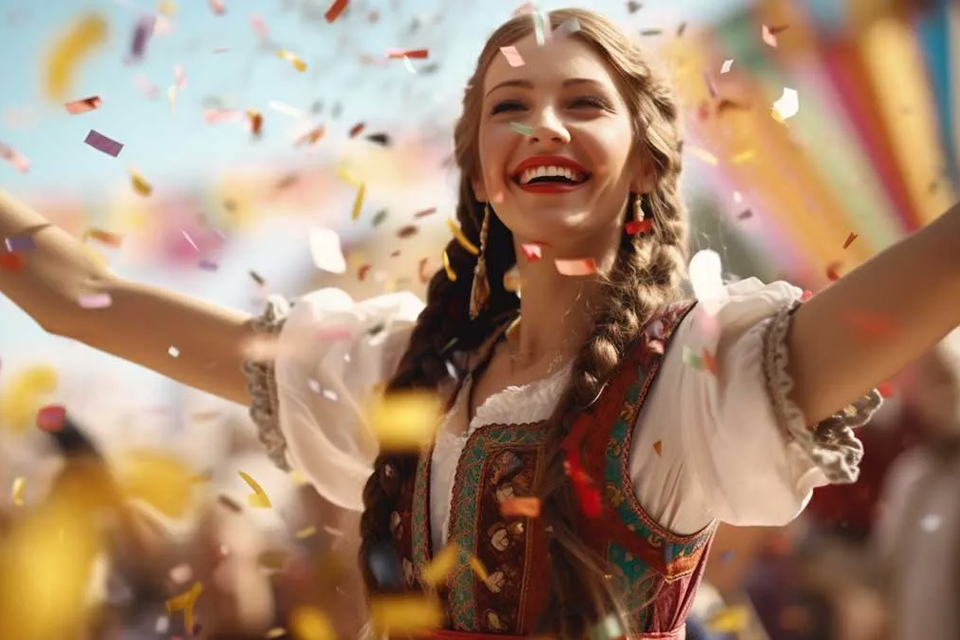
Many towns host events where locals wear Tracht—traditional clothing such as lederhosen and dirndls—accompanied by folk dancing and brass music.
These festivals highlight Germany’s strong connection to regional identity and traditions.
May Day Celebrations: Welcoming Spring the Traditional Way
May 1st (Tag der Arbeit or Labor Day) is both a public holiday and a cultural event in Germany. One of the most iconic spring traditions is the Maypole Festival.
Maypole (Maibaum) Festivals
Villages and towns raise tall, decorated poles symbolizing growth, fertility, and community spirit. Ribbons, wreaths, and local emblems decorate the pole, and the celebration often includes:
- Folk dancing
- Live music
- Local beer and food
- Community gatherings
In Bavaria and Austria-influenced regions, Maypole festivals are particularly vibrant and photogenic.
Music and Cultural Festivals in Spring
Spring also marks the beginning of Germany’s outdoor music and arts festival season.
Classical Music and Opera Festivals
Cities like Berlin, Munich, and Dresden host spring concerts featuring orchestras, chamber music, and opera performances in historic venues.
Modern Music and Street Festivals
Urban areas often organize open-air events combining live music, street food, art installations, and local culture. These festivals attract younger crowds and offer a modern contrast to traditional folk events.
Together, they showcase the diversity of festivals in Germany, blending old traditions with contemporary culture.
Spring Festivals in Major German Cities
Berlin
Berlin’s spring festivals reflect its creative and multicultural spirit. Events often include street parades, art festivals, food markets, and live performances across different neighborhoods.
Munich
In addition to Frühlingsfest, Munich hosts various cultural and beer-related events celebrating Bavarian traditions in spring.
Cologne
Beyond Carnival, Cologne continues its festive atmosphere into spring with music events, cultural festivals, and riverfront celebrations along the Rhine.
Each city offers a unique take on springtime festivals, making Germany a versatile destination for festival lovers.
Food and Drink at Spring Festivals in Germany
Food is a central part of every festival in Germany. Spring menus often highlight seasonal ingredients and lighter dishes compared to winter.
Popular festival foods include:
- Sausages and grilled meats
- Pretzels and fresh bread
- Spring vegetables like asparagus
- Local cheeses and pastries
Beer remains a staple, but spring festivals also feature wine, fruit-based drinks, and non-alcoholic options. Trying regional food and drink is one of the most enjoyable aspects of attending festivals in Germany.
Tips for Enjoying Festivals in Germany in Spring
To make the most of your experience, keep these tips in mind:
- Check dates early: Festival dates can change yearly, especially around Easter
- Dress for the weather: Spring can be unpredictable, so layers are essential
- Arrive early: Popular festivals can get crowded, especially on weekends
- Respect local customs: Some festivals have traditional rules or etiquette
- Use public transport: Cities often restrict traffic during major events
A little preparation goes a long way in ensuring a smooth and memorable experience.
Why Festivals in Germany Are Worth Experiencing
What sets festivals in Germany apart is their authenticity. These are not just tourist attractions; they are deeply woven into everyday life. Locals actively participate, traditions are preserved, and visitors are welcomed into genuine cultural experiences.
Spring festivals, in particular, capture a sense of renewal and joy. They celebrate nature, community, and heritage, offering travelers a chance to see Germany beyond famous landmarks and museums.
Conclusion: Discover the Magic of Festivals in Germany in Spring
From colorful Carnival parades to peaceful Easter traditions and lively May Day celebrations, festivals in Germany in spring offer something for every traveler. They combine history, culture, food, and entertainment in a way few countries can match.
Whether you’re drawn to traditional folk festivals, vibrant city events, or scenic wine celebrations, spring is the perfect time to experience Germany at its most joyful and welcoming.
If you’re looking for a season that truly captures the heart of German culture, spring festivals are an unforgettable choice.