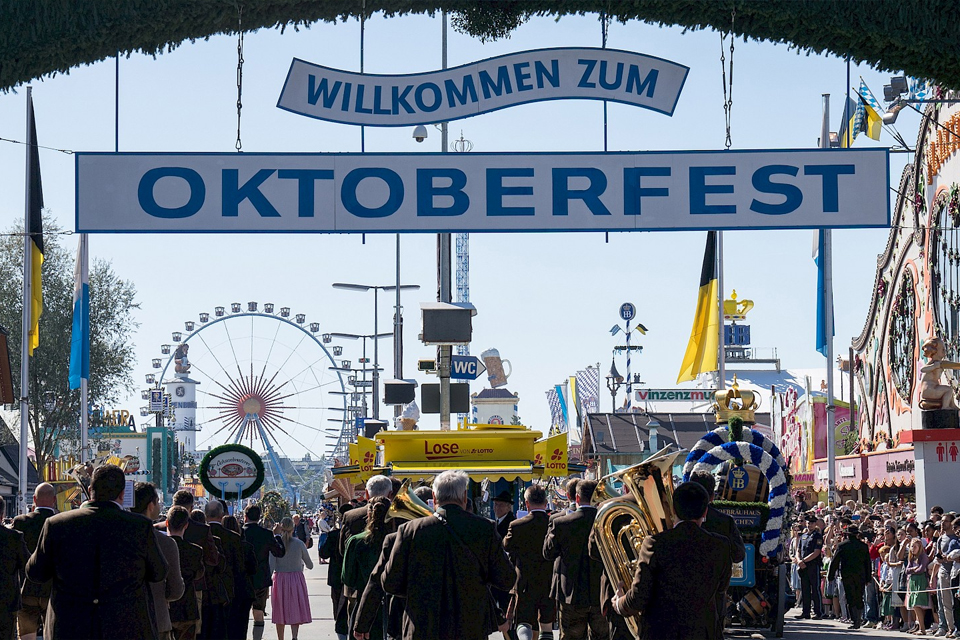
Oktoberfest is one of Germany’s most iconic cultural events and a major highlight of the European travel calendar. Every autumn, millions of visitors arrive in Munich to enjoy traditional beer, Bavarian food, folk music, and a festive atmosphere that feels both historic and energetic.
Although many people associate Oktoberfest mainly with beer, the celebration represents much more than drinking. It reflects centuries of local traditions, strong regional identity, and a deep sense of community that continues to define Bavaria today.
What Is This Festival About?
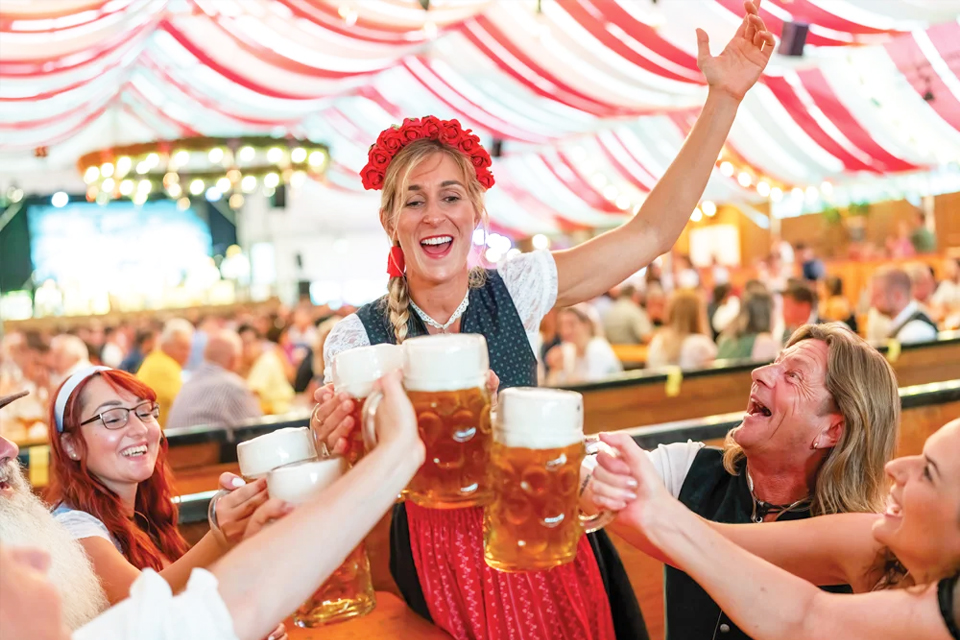
Oktoberfest is the world’s largest folk festival and is held every year in Munich, the capital of Bavaria. The event usually begins in late September and continues into early October, lasting a little over two weeks.
Despite its name, most of Oktoberfest actually takes place in September, allowing visitors to enjoy milder weather and longer daylight hours. Each year, more than six million people attend Oktoberfest, making it one of Europe’s most visited seasonal events.
The Historical Origins
The origins of Oktoberfest date back to 1810, when Crown Prince Ludwig of Bavaria married Princess Therese of Saxony-Hildburghausen. To celebrate the royal wedding, citizens of Munich were invited to a large public event held in a meadow outside the city.
That meadow later became known as Theresienwiese, often called “Wiesn” by locals. Because the celebration was so successful, it was repeated in the following years and gradually evolved into what we now recognize as Oktoberfest.
Over time, this festival survived wars, political changes, and economic challenges, yet it remained a powerful symbol of Bavarian tradition and German culture.
Location and Festival Grounds
Oktoberfest is held at Theresienwiese, a large open area near Munich’s city center. During the festival, the space is transformed into a vibrant temporary city filled with massive beer tents, traditional fairground rides, food stalls, and live music performances.
Thanks to Munich’s efficient public transportation system, reaching Oktoberfest is easy, even during the busiest days of the celebration.
Beer and Brewing Traditions
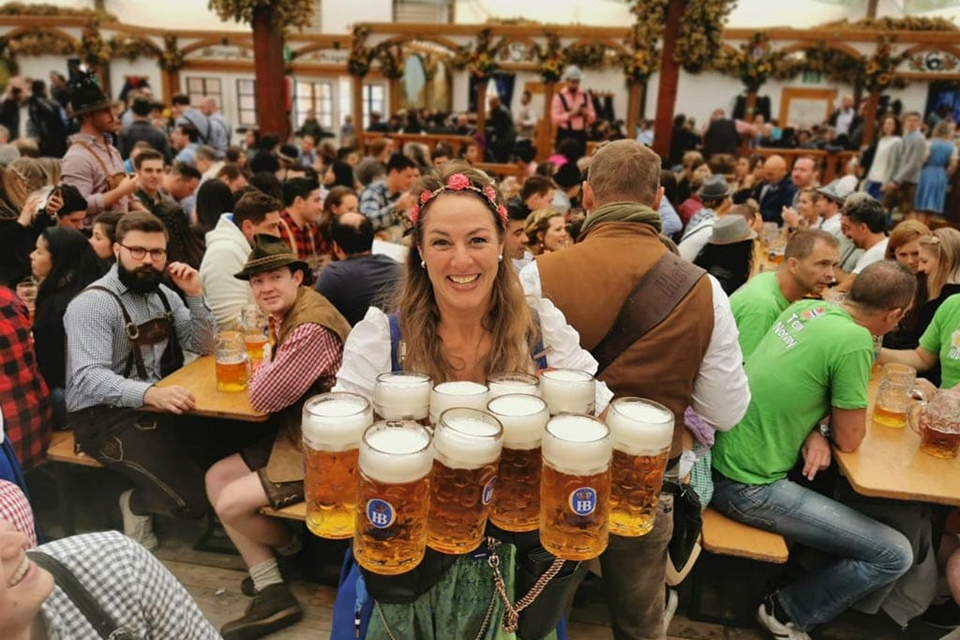
One of the most important rules of Oktoberfest is that only beer brewed within Munich’s city limits may be served. Six historic breweries are officially permitted to supply beer for the event.
The beer served at Oktoberfest is stronger than regular lager, usually containing between 5.8% and 6.3% alcohol. It is brewed specifically for the festival season and served in one-liter mugs known as Maß.
Traditional Food Experience
Food is a key part of the Oktoberfest experience. Popular Bavarian dishes include roasted chicken, crispy pork knuckle, white sausages, large soft pretzels, sauerkraut, and cheesy egg noodles.
These hearty meals are designed to pair well with Oktoberfest beer and help visitors maintain energy during long hours inside the tents.
Traditional Clothing and Customs
Many visitors attending Oktoberfest choose to wear traditional Bavarian clothing. Men typically wear lederhosen, while women wear dirndls. Although wearing traditional outfits is not required, it enhances the festive atmosphere and helps visitors feel more connected to local culture.
One cultural detail often noticed during Oktoberfest is the bow on a dirndl apron, which traditionally indicates relationship status.
Interesting Facts to Know
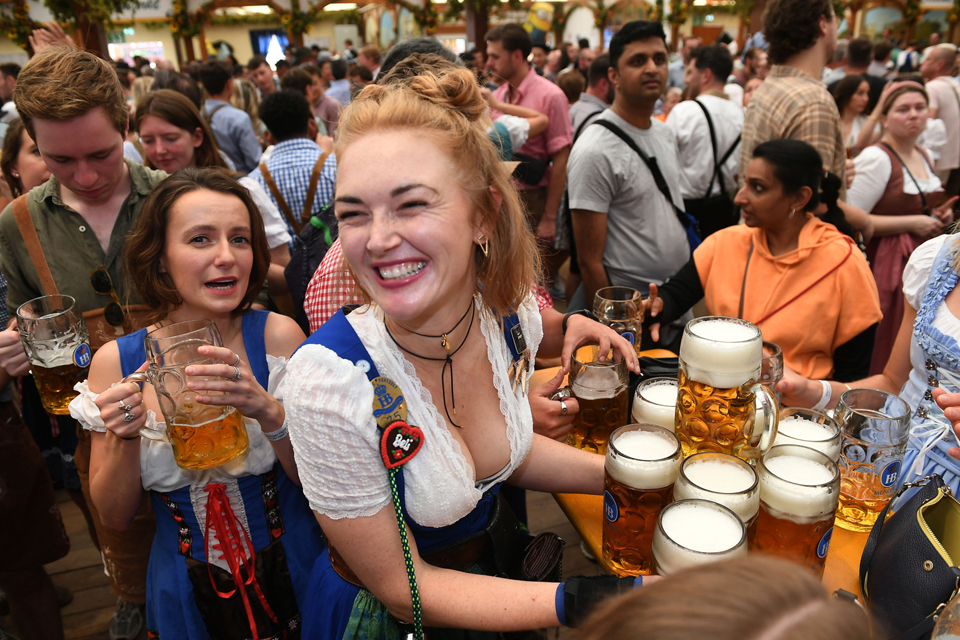
Here are some lesser-known facts:
- This festival officially begins when Munich’s mayor taps the first beer keg
- Beer is not served until the opening ceremony is completed
- Some waitresses can carry more than ten one-liter beer mugs at once
- Thousands of lost items are collected every year
- The event is known for strong organization and safety
Important Tips for Visitors
If you plan to attend Oktoberfest, preparation is essential. Reserving tables early, bringing cash, pacing alcohol consumption, and choosing the right tents can greatly improve your experience.
Following these tips helps visitors enjoy the festival comfortably and responsibly.
Best Time to Visit
Weekday mornings are generally calmer and less crowded, while weekends are louder and more energetic. September usually offers better weather than October, making it an ideal time for first-time visitors to experience the festival.
Final Thoughts
This celebration is far more than a beer-focused event. It is a gathering built on history, community, and cultural pride that brings people together from around the world. Experiencing it in Munich offers valuable insight into Bavarian traditions and German heritage.
It is also an unforgettable highlight and a truly great experience when traveling through Germany.
For travelers interested in authentic cultural events, this remains one of Europe’s most unforgettable seasonal experiences.